Why Over-Improving a Home Can Hurt Your Return
A smarter approach to renovations, upgrades, and long-term value
Many homeowners assume that the more money they put into a home, the more value they’ll get back when it comes time to sell.
Sometimes that’s true.
Often, it’s not.
On the South Shore, the relationship between renovations and resale value is more nuanced than many people realize. Some improvements create meaningful returns, while others simply make a home more expensive than what the surrounding market supports.
The goal isn’t to renovate the most.
It’s to renovate strategically.
Not Every Dollar Spent Creates Equal Value
Certain improvements consistently help homes perform better:
- Kitchens and bathrooms with broad appeal
- Functional layout improvements
- Exterior upgrades that improve curb appeal
- Deferred maintenance and system updates
But beyond a certain point, additional spending may stop generating meaningful return.
Luxury finishes, highly personalized designs, or oversized additions don’t always increase value proportionally — especially if they push the property beyond the expectations of the neighborhood.
The Neighborhood Still Sets the Ceiling
One of the biggest mistakes homeowners make is renovating without considering the surrounding market.
A beautifully renovated home still competes within:
- Its neighborhood
- Its town
- Its price bracket
If a property becomes significantly more expensive than comparable homes nearby, buyers may struggle to justify the premium — regardless of how much was invested.
Real estate value is rarely determined by construction cost alone.
Personalization vs. Market Appeal
Homes should absolutely reflect the people living in them. But when resale becomes part of the conversation, broad buyer appeal matters.
Highly customized features can narrow the buyer pool, including:
- Extremely specific design choices
- Overly niche room conversions
- Luxury upgrades that exceed neighborhood norms
What feels like an upgrade to one buyer may feel like an unnecessary expense to another.
Renovating With Intention
The most effective renovations are usually the ones that:
- Improve functionality
- Modernize the home appropriately
- Enhance everyday living
- Align with the surrounding market
Buyers tend to value homes that feel cohesive, well-maintained, and thoughtfully updated — not simply expensive.
Coastal Considerations on the South Shore
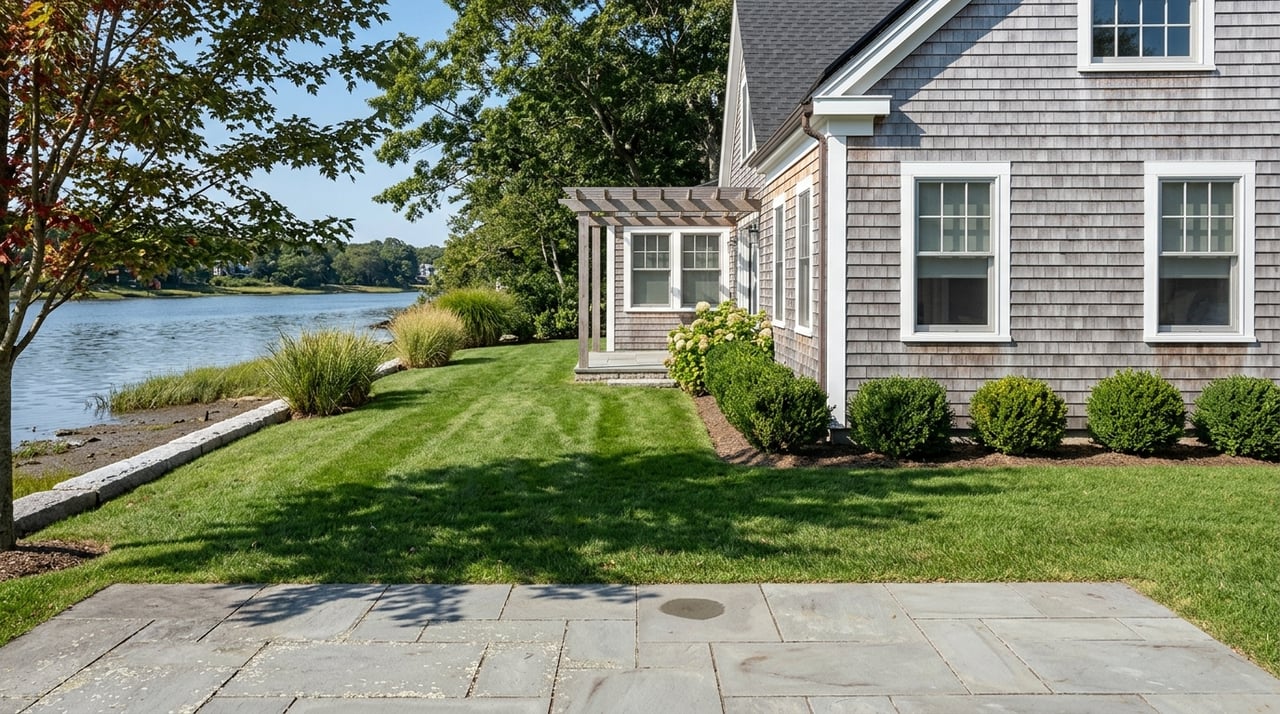
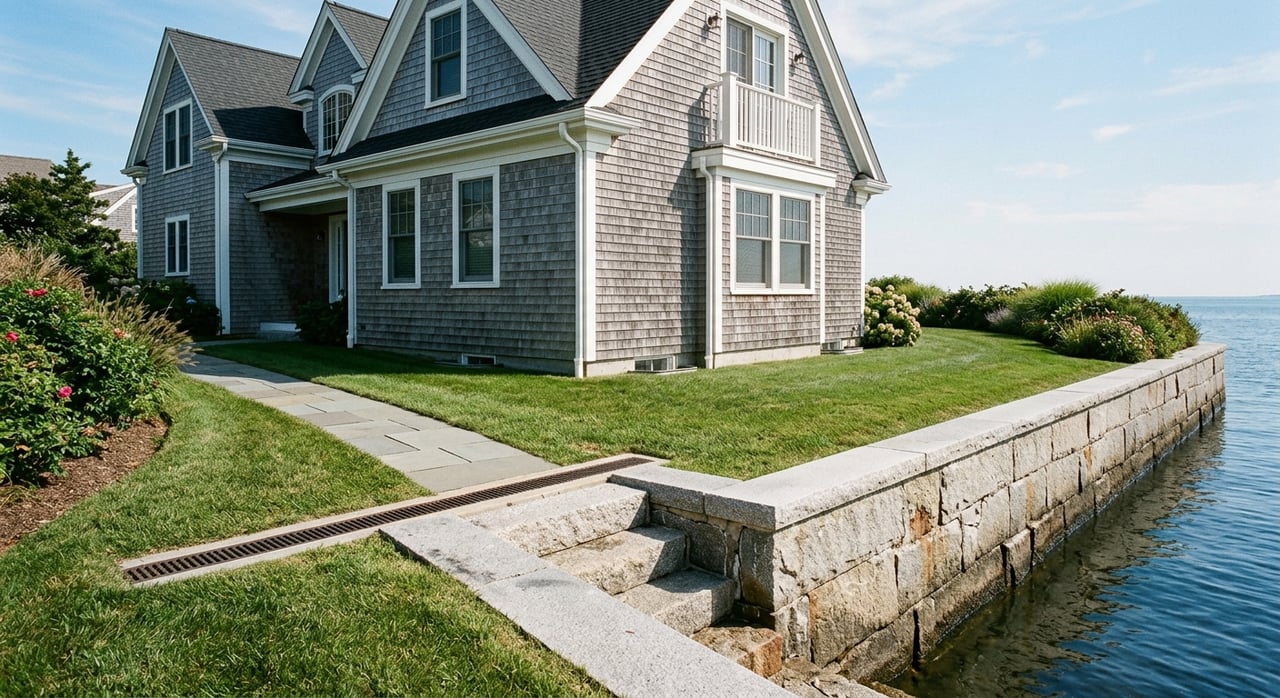
In coastal communities like Cohasset and Scituate, homeowners should also think carefully about:
- Weather exposure
- Long-term maintenance requirements
- Material durability near the ocean
- Insurance and flood considerations
Sometimes practical upgrades create more long-term value than cosmetic ones.
The Best Improvements Are Often the Least Flashy
Many of the upgrades that protect long-term value are not dramatic:
- Roofs
- Windows
- HVAC systems
- Exterior maintenance
- Functional layout improvements
These investments may not generate headlines, but they create confidence for future buyers and reduce friction during resale.
A More Balanced Approach
Home improvements should support both:
- Personal enjoyment while living in the home
- Long-term marketability when it’s time to sell
The best outcomes usually come from balancing those two goals rather than chasing the most expensive renovation possible.
Final Thought
The South Shore market rewards thoughtful decision-making.
The homes that perform best over time are often not the most overbuilt or overdesigned — they’re the ones that fit their location, neighborhood, and buyer expectations well.
If you’re considering renovations, additions, or preparing a home for sale, understanding which improvements truly create value can help guide smarter long-term decisions.