If you are deciding between Norwell and Hingham, you are not just comparing home prices. You are choosing how you want your daily life to feel, from your lot size and commute options to the kind of town layout that fits your routine. The good news is that both communities offer strong fundamentals, and the better choice usually comes down to lifestyle fit more than a simple win-lose ranking. Let’s dive in.
Norwell vs Hingham at a glance
If you want the shortest version, Norwell generally offers a more consistently low-density, space-oriented setting. Hingham offers more variety in housing, more transportation options, and a more active village-scale core.
That difference shows up clearly in the numbers. Census data shows Norwell has a population density of 542.3 people per square mile, while Hingham comes in at 1,093.8 people per square mile. Norwell also has a higher owner-occupied housing rate at 91.6%, compared with 80.7% in Hingham.
Housing style and lot size
Norwell offers more uniform space
For many buyers, the biggest difference starts with the feel of the housing stock. Norwell zoning requires a minimum lot size of one acre in all districts, which creates a more consistent pattern of larger lots and lower-density residential development.
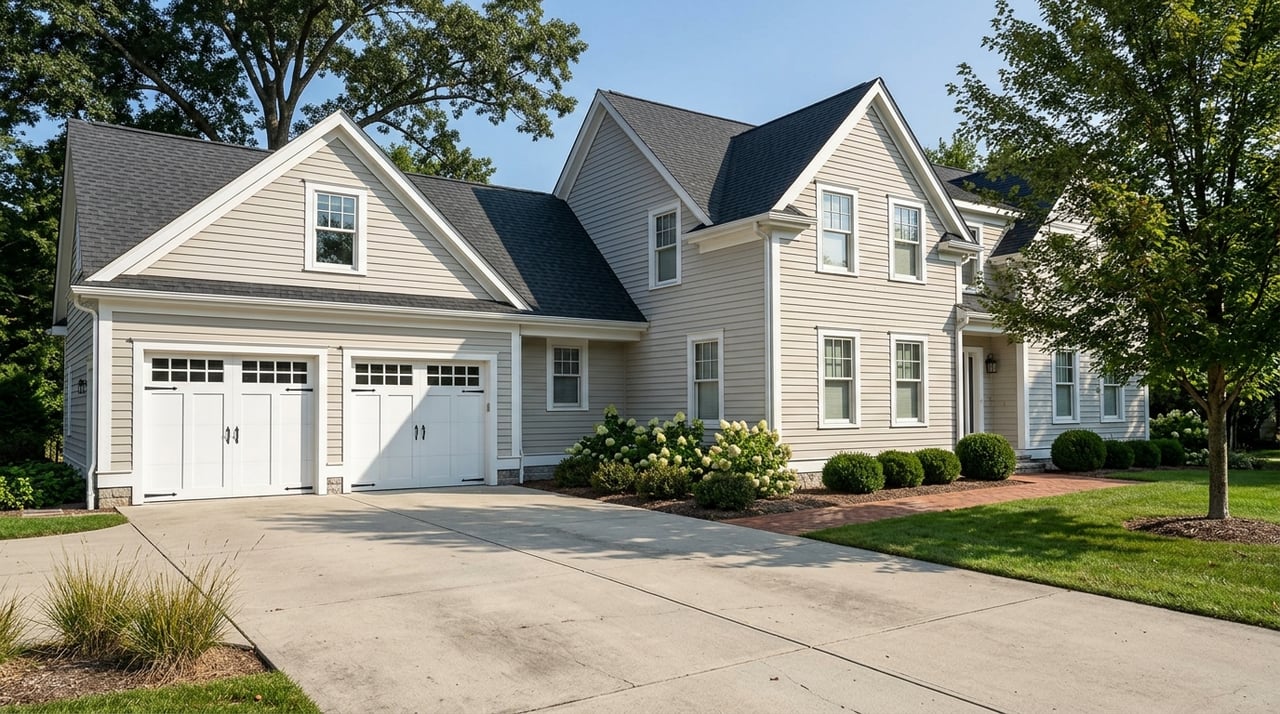
That matters if you picture your next home with more yard space, more separation from neighbors, and a quieter residential setting. Norwell tends to deliver that more predictably across town, rather than in just a few pockets.
Hingham provides more housing variety
Hingham zoning allows a broader range of lot sizes and housing forms. Depending on the district, minimum lot sizes range from 20,000 to 40,000 square feet, and the townhouse district allows 5,000 square feet per dwelling unit.
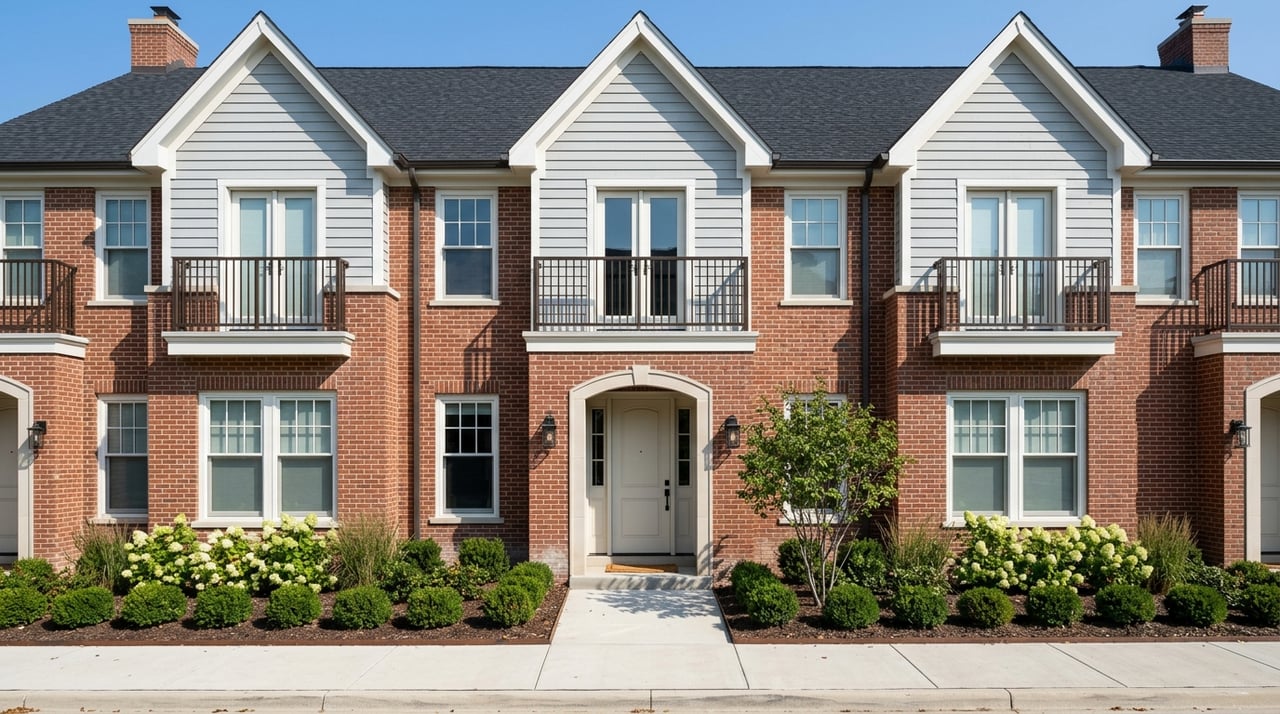
In practical terms, that means Hingham offers more variety. You may find traditional single-family neighborhoods, village-scale areas, and housing options that feel a bit more connected to shops, transportation, or a town-center rhythm.
Home values and carrying costs
Hingham has higher median home values
Census QuickFacts places the median owner-occupied home value at $865,700 in Norwell and $1,134,200 in Hingham. That does not mean every home in Hingham costs more than every home in Norwell, but it does reflect a higher overall value baseline in Hingham.
If you are planning a move between the two, this is where strategy matters. A buyer moving from Boston or another close-in market may see Hingham as a natural fit, while someone prioritizing more land and a lower median value benchmark may lean toward Norwell.
Property tax math is closer than it looks
At first glance, Hingham appears to have the lower tax burden because its FY2026 tax rate is $10.47 per $1,000 of valuation, compared with $12.83 in Norwell. But because Hingham home values are higher on average, the rough annual property-tax equivalent comes out fairly close.
Using the Census median owner-occupied values, the estimate is about $11.9K in Hingham and about $11.1K in Norwell before exemptions or assessment changes. The takeaway is simple: do not judge carrying costs by tax rate alone.
Rental costs are also higher in Hingham
For buyers comparing a future purchase with a current rental, or for those thinking long term about flexibility, rent levels help tell part of the story. Census data shows median gross rent at $2,465 in Hingham versus $2,215 in Norwell.
That gap supports the broader pattern in the market. Hingham generally sits at a higher price point, while Norwell may appeal more to buyers focused on getting more space within a somewhat lower median value range.
Commute options and daily convenience
Hingham has more ways to reach Boston
If commute flexibility matters, Hingham has the clear edge. According to the town’s transportation information, Hingham is served by the MBTA Greenbush Line, commuter boat service to Rowes Wharf, bus service to Quincy Station, and Plymouth & Brockton commuter buses to Boston.
The town also highlights direct access to Boston via Route 3. If you value having multiple ways to make the trip, especially when your schedule changes from day to day, Hingham offers more choice.
Norwell is more car-oriented
Norwell’s access story is different. The town’s planning materials note access to two Route 3 exits just outside town, and 78% of Norwell workers drive to work.
That does not mean Norwell is inconvenient. In fact, mean travel time to work is very similar between the two towns: 35.3 minutes in Norwell and 36.1 minutes in Hingham. The real difference is not time on paper, but whether you want several commute modes or a more driving-centered routine.
Town character and lifestyle
Hingham feels more mixed and active
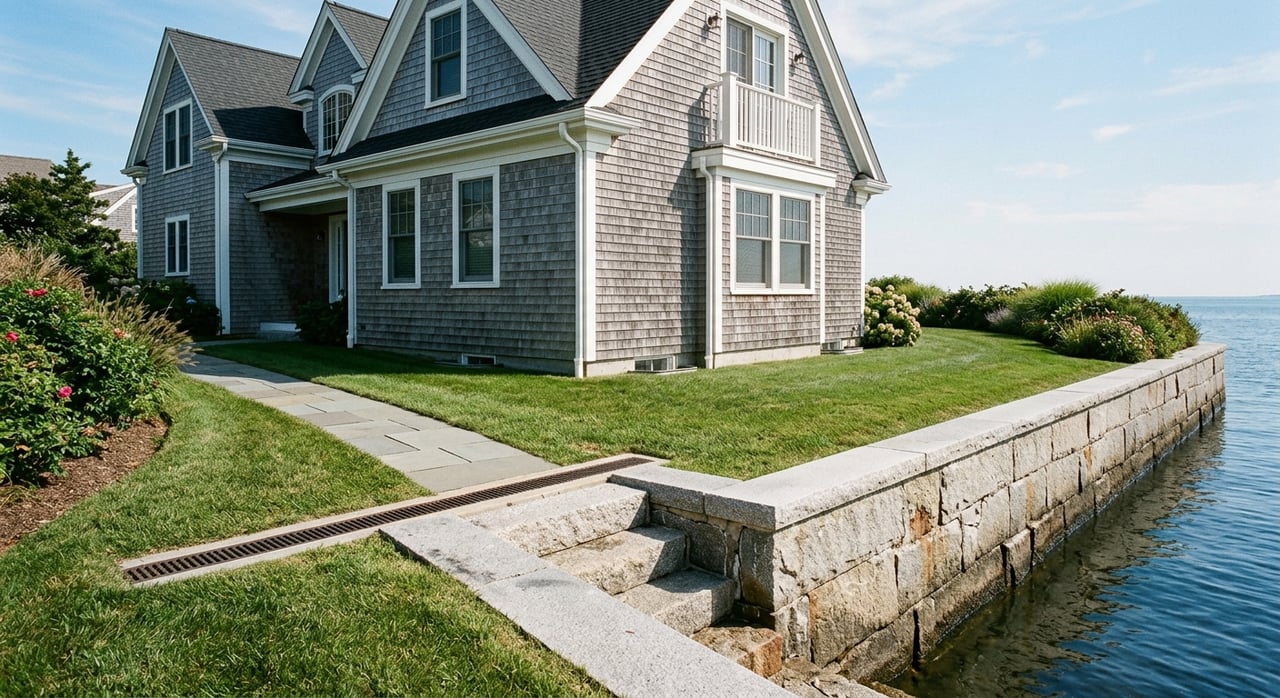
Hingham’s official description emphasizes a historic seaside community with a walkable downtown and harbor area, along with shops, restaurants, and major open-space destinations such as Wompatuck State Park, World’s End, and Bare Cove Park.
For some buyers, that combination is the draw. You can have access to open space while also enjoying a more active town center and a broader mix of day-to-day options.
Norwell feels quieter and more residential
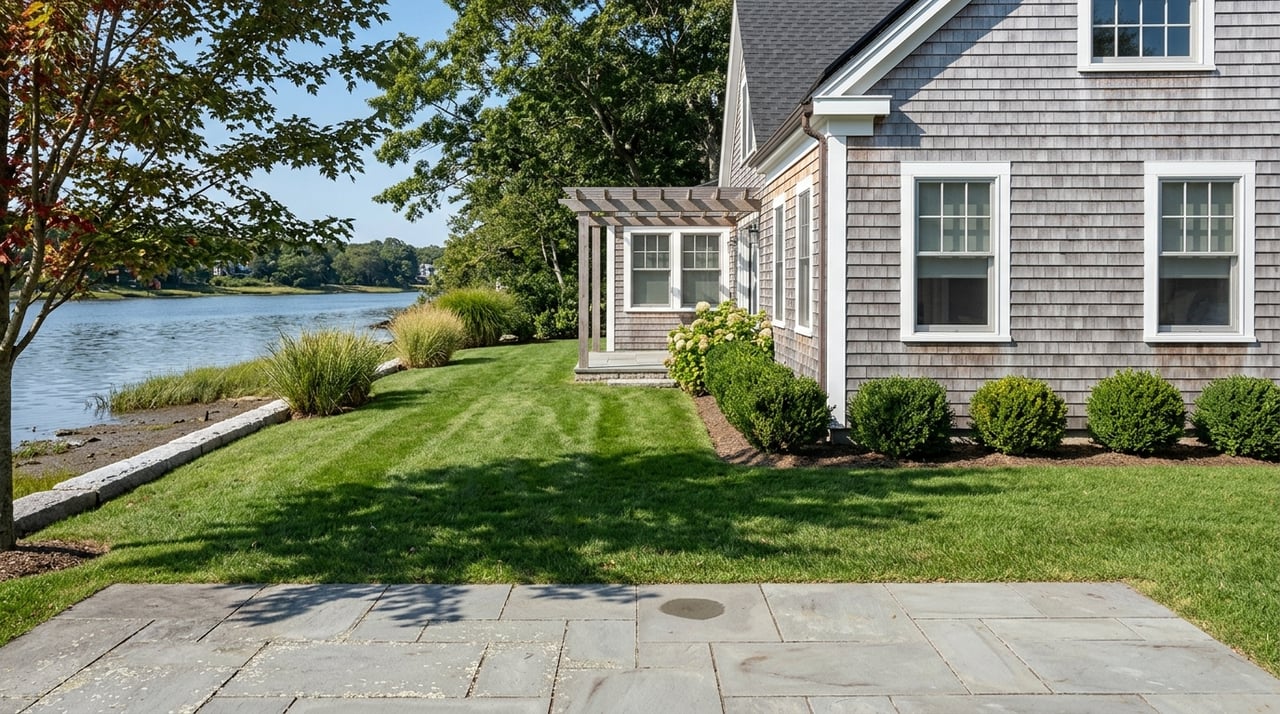
Norwell’s town profile emphasizes natural scenery, walking trails, the North River setting, and historic homes. The overall picture is more uniformly residential, with an emphasis on space, landscape, and a quieter pace.
If your ideal home base starts with yard size, privacy, and a less busy feel, Norwell often aligns well with that goal. It tends to attract buyers who want the home environment itself to do more of the heavy lifting in their lifestyle.
What about schools?
Both towns perform strongly
For many buyers, this category is less of a deciding factor than they expect. On the Massachusetts DESE 2024 accountability system, both Norwell and Hingham are classified as not requiring assistance or intervention.
Norwell is at 76% progress toward improvement targets, while Hingham is at 80%. For most readers, that spread is close enough to treat as a tie, which means your better filter is usually commute, housing style, and how you want the town to feel day to day.
Which town fits you best?
Choose Norwell if space leads your search
Norwell may be the better fit if you want:
- A more uniformly low-density setting
- Larger lots as a consistent pattern across town
- A quieter, more residential feel
- A lifestyle centered on home, yard, and natural surroundings
- A somewhat lower median home value benchmark than Hingham
Choose Hingham if flexibility leads your search
Hingham may be the better fit if you want:
- More transportation choices into Boston
- A walkable downtown and harbor-oriented setting
- More housing-form variety
- A busier town core with shops and restaurants nearby
- Access to a broader mix of neighborhood patterns
A smart way to compare both towns
The best Norwell vs Hingham decision usually comes from seeing the tradeoffs in person. One town may win on paper for lot size, while the other may feel better once you test the commute, visit the town center, and compare housing options in your actual price range.
That is especially true for cross-market buyers moving from Boston or another part of Greater Boston. If you are balancing space, convenience, resale potential, and day-to-day quality of life, the right answer is often more nuanced than a spreadsheet suggests.
A strong search strategy can help you compare not just listing prices, but also taxes, lot characteristics, transportation access, and the type of setting you will enjoy for years to come. When you approach the move that way, you are much more likely to choose a home base that supports both your lifestyle and your long-term goals.
If you are weighing Norwell against Hingham and want a more tailored read on value, fit, and search strategy, Zachary Lombardi can help you compare both markets with the kind of calm, high-touch guidance that makes a complex move feel clear.
FAQs
How do Norwell and Hingham differ in lot size and density?
- Norwell is generally lower density and more uniformly spacious, with one-acre minimum lots in all districts, while Hingham allows a wider range of lot sizes and housing types.
How do Norwell and Hingham compare on commute options to Boston?
- Hingham offers more transportation choices, including commuter rail, commuter boat, bus service, and Route 3 access, while Norwell is more car-oriented with access to Route 3 nearby.
How do Norwell and Hingham compare on home values?
- Census data shows a median owner-occupied home value of $865,700 in Norwell and $1,134,200 in Hingham, indicating a higher overall pricing baseline in Hingham.
How do Norwell and Hingham compare on property taxes?
- Hingham has a lower FY2026 tax rate than Norwell, but Hingham’s higher home values narrow the gap, making rough annual tax equivalents fairly similar at the median value level.
How do Norwell and Hingham compare on school accountability data?
- Both towns are classified by Massachusetts DESE as not requiring assistance or intervention, with Hingham at 80% progress toward improvement targets and Norwell at 76%.
Which town is better for a quieter South Shore lifestyle?
- Buyers who prioritize larger lots, natural scenery, and a quieter residential setting often lean toward Norwell, while buyers seeking more transportation choice and a more active town center often prefer Hingham.