If you are trying to price, buy, or compare a coastal home in Scituate, one question matters right away: what does “waterfront” really mean here? In this market, that word can describe very different properties, from true oceanfront homes to harbor-side condos and walk-to-beach houses. Understanding those differences can help you make better decisions, avoid costly assumptions, and see where value really comes from. Let’s dive in.
Why Scituate Coastal Value Varies
Scituate already sits in a relatively high-priced market before any coastal premium gets added. Public market estimates in 2026 varied by source, with Redfin showing a March median sale price of $712,000 for the city page, a $953,000 median sale price for the 02066 ZIP code in April, and Zillow showing an April 30 home value index of $1,015,645 with a median list price of $1,156,333.
That matters because waterfront pricing does not start from a low baseline. Instead, coastal value gets layered on top of an already expensive South Shore market. In practice, that means even homes that are not directly on the water can command strong pricing if they offer beach convenience, harbor access, or meaningful water views.
Scituate also has five public beaches: Minot, Sand Hills, Egypt, Peggotty, and Humarock. The town notes that many seaside neighborhoods and village centers are within walking distance of these areas, which helps explain why near-beach homes can carry real value even without direct frontage.
Defining Scituate Home Types
Not every coastal listing belongs in the same bucket. Public listing portals often group together true waterfront homes, beach-adjacent properties, and in-town homes with coastal convenience. If you are comparing value, you need to separate them clearly.
True Waterfront Homes
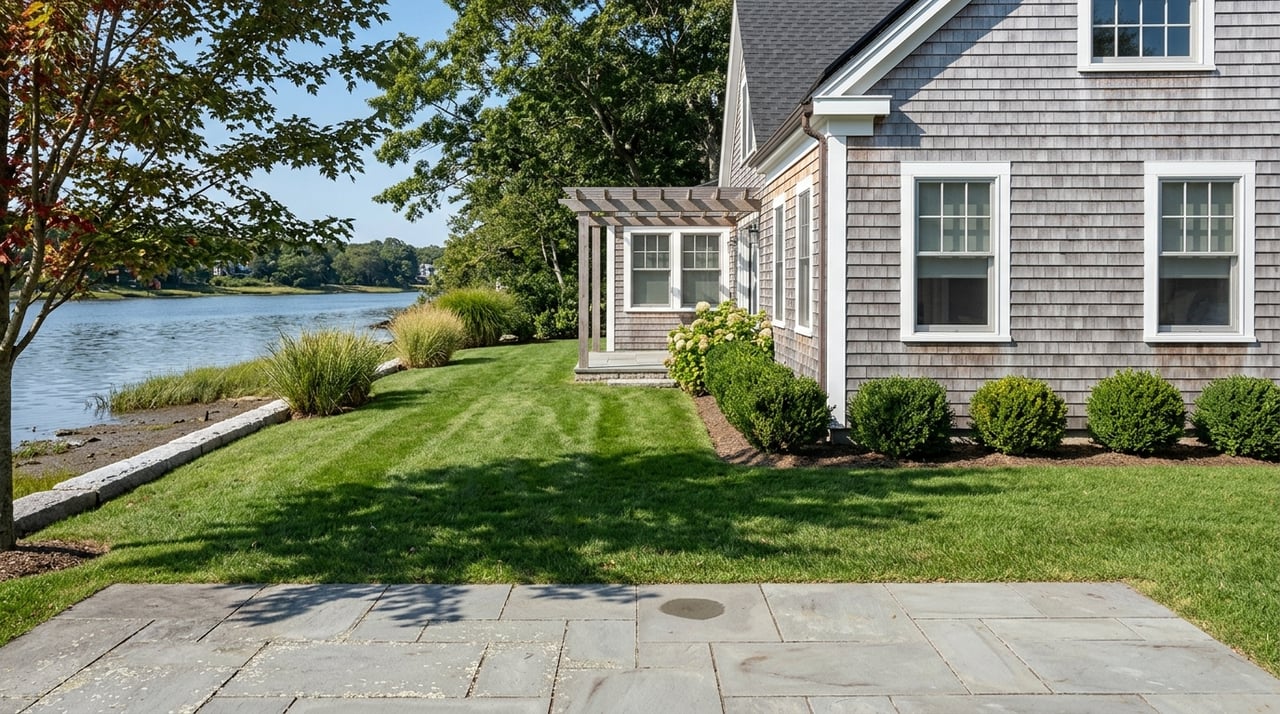
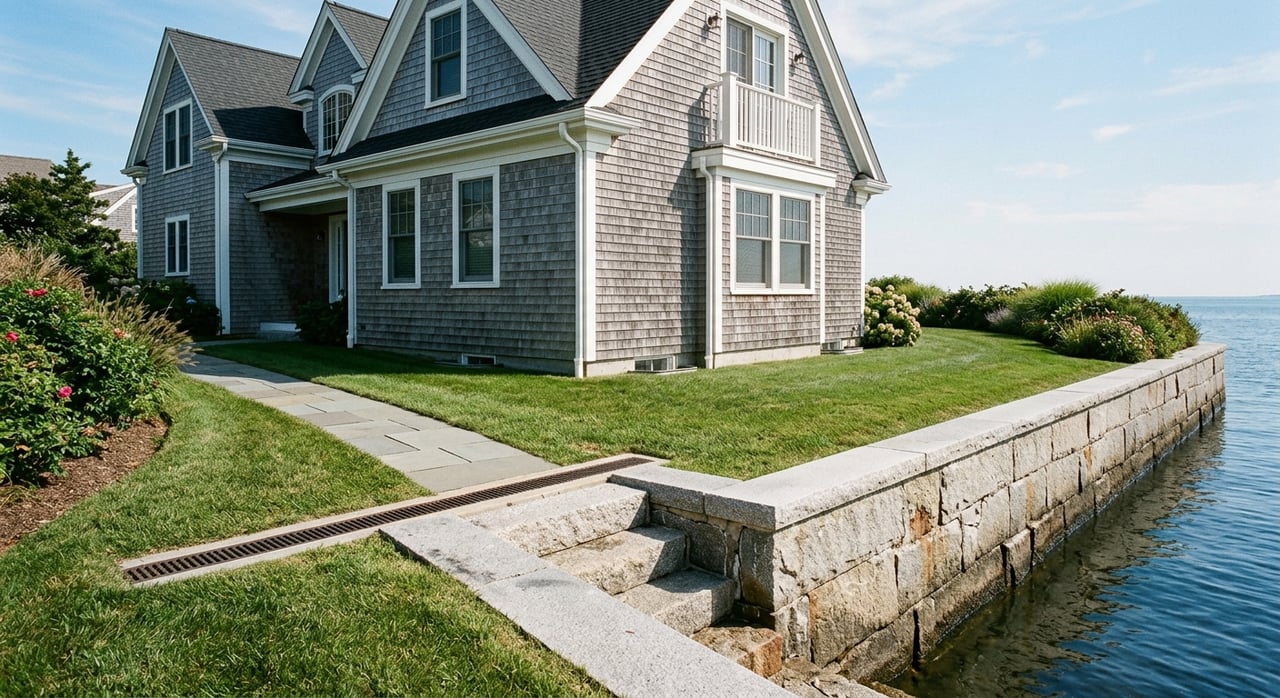
These are homes with direct water frontage or direct access tied to the site. In Scituate, this category often includes oceanfront, harborfront, or riverfront properties where the water is a defining feature of the property itself.
This is typically where the highest premiums show up. Current public examples include 81 Surfside Rd at $2.5 million, 1-1 Baileys Island Rd at $5.95 million, and 67 Border St at $7.9 million, all marketed with strong water orientation, direct access, or major view corridors.
Near-Beach Homes
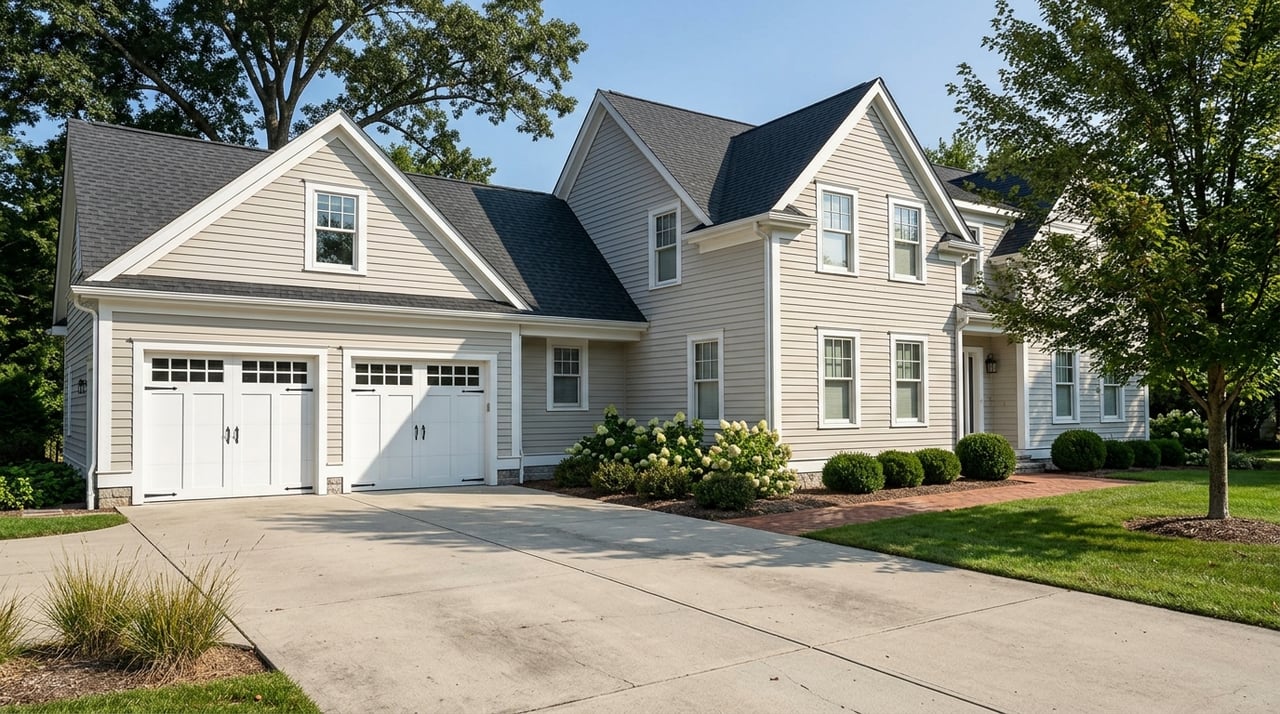
These homes may be one block from the beach, a short walk away, or in a beach-area neighborhood without direct frontage. They often appeal to buyers who want coastal living and convenience without paying top-tier waterfront pricing.
This segment can still reach the low- to mid-seven figures. Public examples include 105 Turner Rd, which sold in March 2026 for $950,000 and was described as one block from the beach, steps from Peggotty Beach, raised, and flood-zone compliant.
In-Town and Harbor-Village Homes
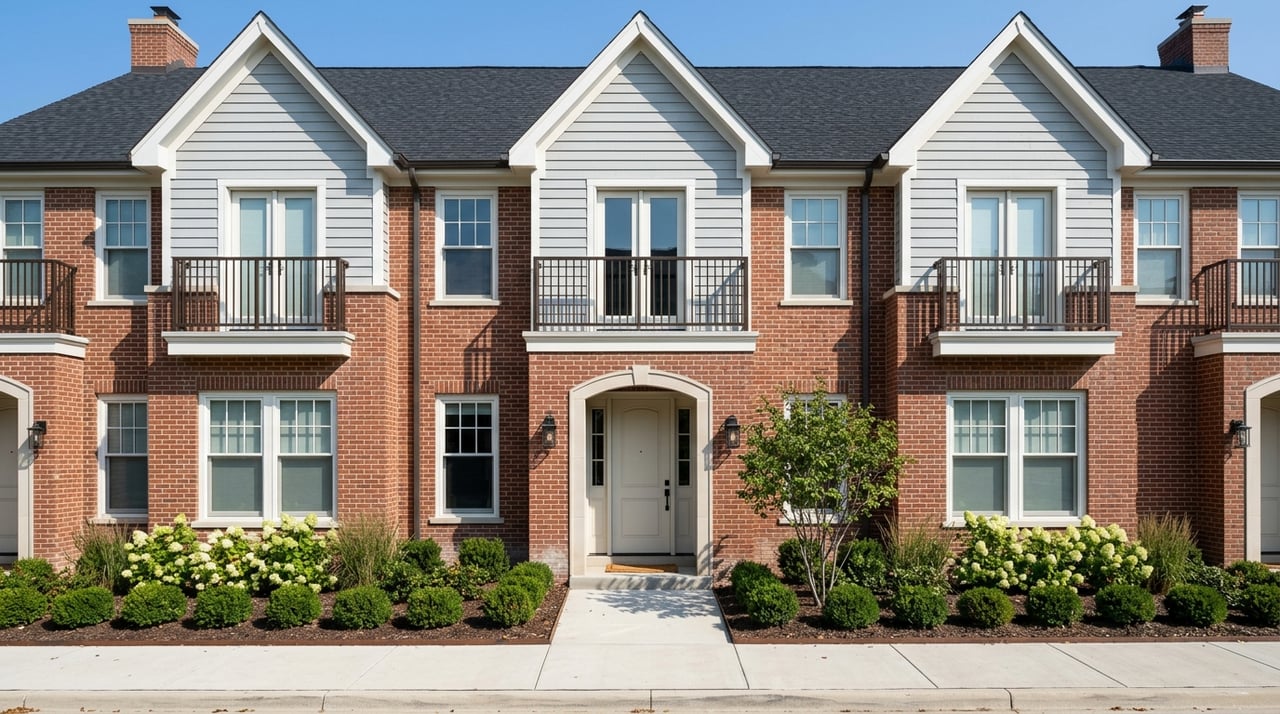
These properties may offer a coastal lifestyle without direct waterfront exposure. Think harbor-side condos, central village homes, and properties with convenient access to beaches, downtown areas, or commuter options.
This category often has the widest pricing range and a much lower entry point than direct waterfront. Public examples include 1 Mill Wharf Plz Apt S26, which sold for $689,000 in January 2024 and now has a Zillow estimate of $756,800, and 156 First Parish Rd #6, listed at $380,000 and described as less than a mile to the harbor, beaches, trails, and commuter rail.
What Really Drives Waterfront Premiums
If you want to understand value in Scituate, distance to the beach is only part of the story. The stronger pricing factors often come down to exposure, protection, and usability.
Views Matter More Than Many Buyers Expect
In Scituate, view quality can carry as much weight as square footage. A home with sweeping, unobstructed ocean views usually sits in a different pricing tier than a house with a small seasonal water glimpse.
The current public examples show a practical hierarchy. Direct oceanfront tends to command the strongest premium, followed by homes with strong harbor, marsh, river, or ocean views plus access, and then walk-to-beach homes that offer convenience more than frontage.
Frontage and Access Change the Price Story
Direct frontage is not the same as being nearby. A property that physically fronts the ocean, harbor, or river usually attracts a different buyer profile and comp set than a home that is simply close to the shoreline.
Access matters too. If a home offers direct access or documented beach rights or association access, that can affect value in a meaningful way. Sellers and buyers should look closely at what the property actually includes rather than relying on broad marketing labels.
Flood Zone and Elevation Affect Cost
Two homes with similar views can have very different ownership costs. FEMA’s Flood Map Service Center is the official source for flood hazard information, and the Town of Scituate notes that its GIS flood data may not always be current.
That distinction matters because flood zone and elevation can affect insurance requirements, carrying costs, and buyer confidence. FEMA also states that federally backed lenders require flood insurance for buildings in a special flood hazard area, which can add cost and sometimes complexity to a purchase.
A raised or flood-zone-compliant home may therefore compete differently than a similar home that has not been updated. In beach-area neighborhoods, that kind of difference can materially affect both pricing and marketability.
Shoreline Protection Shapes Perceived Risk
In exposed areas, shoreline protection is part of the value conversation. The Town of Scituate describes the Oceanside Drive and Turner Road stretch in Sand Hills as exposed to high-energy wave action, and it has reported that the existing seawall there was in disrepair and too low to prevent overtopping.
The town also said a replacement project would make the wall two feet taller and that it received $5.9 million from the Massachusetts Dam and Seawall fund for part of the work. For buyers and sellers, the takeaway is simple: a seawall or revetment can affect how a property is perceived, but it does not erase exposure. Condition, location, and block-by-block context all matter.
A Practical Scituate Value Spectrum
If you are trying to estimate where a home fits, it helps to think in tiers rather than one blanket “waterfront premium.”
| Home Type | Public Example Range | Typical Value Drivers |
|---|---|---|
| In-town or central convenience | Around $380,000 and up | Harbor proximity, village location, beach access, commuter convenience |
| Harbor-side or in-town condos | Roughly high $600,000s to $700,000s | Walkability, water setting, lower exposure than direct frontage |
| Near-beach single-family homes | Around $950,000 to low-to-mid $1 millions | Beach proximity, elevation, condition, updates, compliance |
| True waterfront or premier view homes | $2.5 million to $7.9 million in current public examples | Direct frontage, unobstructed views, access, site quality, scarcity |
These tiers are not fixed rules. They are a framework that reflects current public examples and shows why a one-block-to-beach home should not be valued like a front-line ocean property, and why a harbor condo should not be compared to either one without careful adjustment.
What Buyers Should Ask Before Making an Offer
In Scituate, smart coastal buying starts with due diligence. The location may feel right, but the details behind the address often drive long-term cost and resale strength.
Key Buyer Questions
- What is the exact flood zone for this property according to FEMA’s Flood Map Service Center?
- Is the home in a special flood hazard area?
- Has the home been raised or brought into flood-zone compliance?
- Were prior additions or alterations permitted?
- What shoreline protection serves the property or block, if any?
- Is the value based on direct frontage, views, beach access, or simple proximity?
These questions can help you separate emotional appeal from durable value. They also help you compare two similar-looking listings that may carry very different risk and cost profiles.
What Sellers Should Highlight When Pricing
If you are selling a Scituate coastal home, your value story should be specific. Broad descriptions like “waterfront” or “near the beach” are not enough in a market where buyers are comparing frontage, views, flood exposure, and access very closely.
The strongest listing strategy usually documents what the buyer is really getting. That may include direct frontage, the quality of the view corridor, elevation, flood-zone compliance, public beach proximity, or any association or beach access rights.
Comp selection is just as important. In Scituate, a central village condo, a walk-to-beach home, and a direct waterfront property are not interchangeable products, even if all three can be marketed with coastal language. Accurate pricing starts at the micro-location level.
Why Micro-Location Matters in Scituate
In a coastal town like Scituate, value can change quickly from one stretch of road to the next. Exposure, view line, walking route to the beach, and shoreline conditions can all shift within a small area.
That is why the best analysis is never just about the town as a whole. It is about your exact block, your elevation, your relationship to the water, and how your home compares to properties with truly similar characteristics.
For buyers, that can protect you from overpaying for a label. For sellers, it can help you capture value that broad market averages often miss.
If you are weighing a move in Scituate, the right strategy starts with a careful read of the property, the block, and the true source of its coastal appeal. For tailored guidance on pricing, acquisition strategy, or pre-sale positioning, connect with Zachary Lombardi.
FAQs
How is a Scituate waterfront home different from a near-beach home?
- A true waterfront home generally has direct water frontage or direct access tied to the property, while a near-beach home offers beach proximity without direct frontage.
Why do Scituate oceanfront homes cost much more than other coastal homes?
- Public examples suggest direct frontage, unobstructed views, and stronger access can push pricing far above the broader town market.
Do Scituate flood zones affect home value?
- Yes. Flood zone, elevation, and compliance can affect insurance requirements, ownership costs, buyer demand, and overall marketability.
What should buyers verify before buying a Scituate beach-area home?
- Buyers should verify the exact FEMA flood zone, ask about special flood hazard area status, review permitted alterations, and understand any shoreline protection affecting the property.
How should sellers price a Scituate near-beach property?
- Sellers should use comparable homes from the same micro-location and highlight the specific factors that drive value, such as views, access, elevation, and compliance.