If you want a town that supports both your weekday commute and your long-term lifestyle goals, Norwell tends to stand out quickly. Many buyers are looking for that hard-to-balance mix of residential space, practical access to Boston, and everyday amenities that work for a busy household. Norwell appeals for exactly those reasons, with town planning documents pointing to strong school demand, commuter access, and protected open space as key drivers of growth. Let’s take a closer look at why so many professionals and families keep Norwell on their shortlist.
Why Norwell Stands Out
Norwell is located about 20 miles south of Boston, and the town’s 2025 housing production plan directly connects its appeal to public schools, commuter convenience, and preserved open space. That combination gives you a town that feels residential and grounded while still staying connected to larger employment centers.
For many buyers, that balance matters more than any single feature. You may want a home that feels removed from city pace without giving up access to Boston, the South Shore, or nearby job hubs. In Norwell, that tradeoff is one of the town’s clearest strengths.
Commuting From Norwell
For professionals who need to travel regularly, Norwell offers practical regional access. The town’s housing plan notes that Route 123 is the main east-west route, while Routes 3 and 53 run along Norwell’s western edge, helping connect residents to Boston-area travel corridors and surrounding South Shore communities.
There is also nearby commuter rail access via the Greenbush Line station in Scituate. At the same time, the town’s planning documents describe Norwell as largely auto-dependent, so it is best understood as a drive-oriented community rather than a transit-first one. If your routine depends on highway access more than walking to a train downtown, Norwell may fit well.
A Good Fit for Cross-Market Buyers
Norwell often appeals to buyers moving between Boston and the South Shore because it supports a blended work and home lifestyle. You can maintain access to regional routes while living in a setting shaped more by homes, open land, and neighborhood-scale daily life than by density.
That can be especially appealing if you are relocating from a condo or tighter urban footprint and want more space without feeling disconnected. For households managing school schedules, office commutes, and weekend activities, convenience here tends to come from road access and local organization rather than constant density.
Schools and Family Decision-Making
Schools are one of the most common reasons families take a serious look at Norwell. The town’s own planning documents say recent growth has been driven in part by the quality of the public school system, which is an important data point for anyone comparing South Shore communities.
Norwell Public Schools serves students from PK through grade 12 through two elementary schools, one middle school, and Norwell High School. Families who want to review current performance data can use the Massachusetts district report card for Norwell Public Schools, which includes 2025 and 2024 reporting.
How to Review School Data Objectively
If schools are part of your home search, it helps to look beyond reputation alone. The Massachusetts DESE report card system includes measures such as achievement, growth, chronic absenteeism, high school completion, and advanced coursework completion, giving you a broader view of district performance.
Norwell High School was also ranked 12th among Greater Boston public high schools in a 2025 Boston Magazine ranking cited in the town housing plan, and that same reference noted that 86% of 10th graders met or exceeded expectations in math. For buyers who want a fact-based starting point, those public sources are useful tools.
Housing Style and Residential Feel
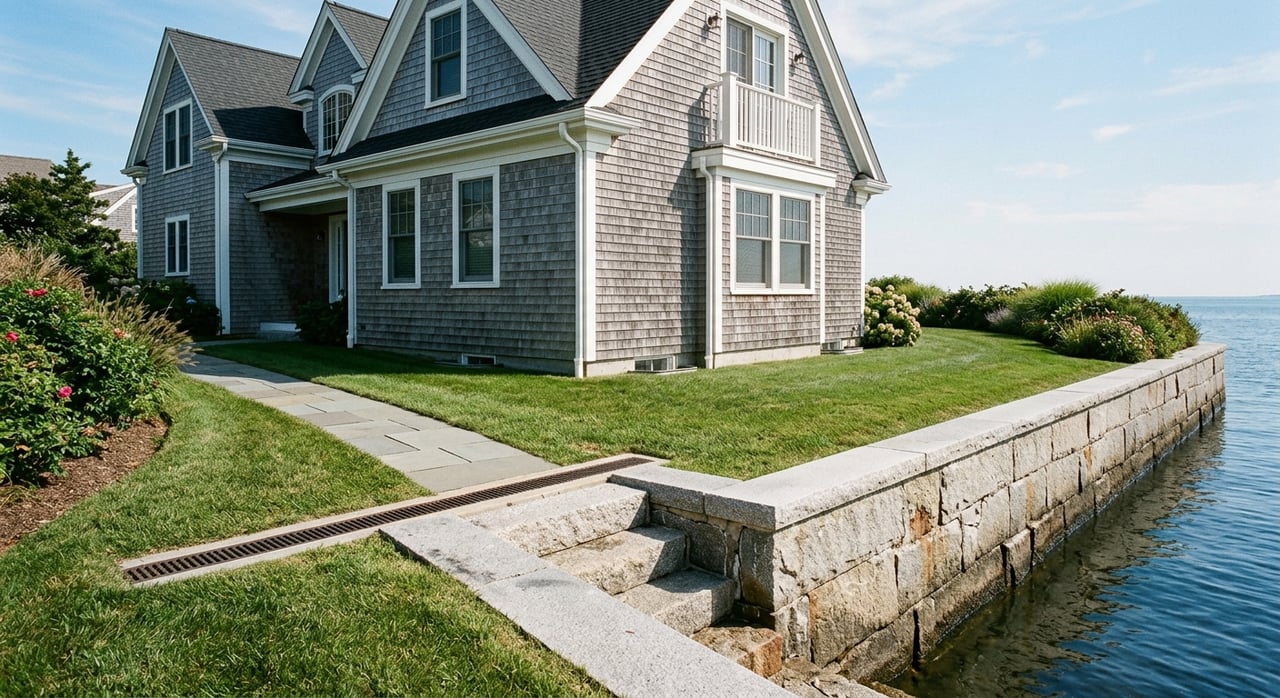
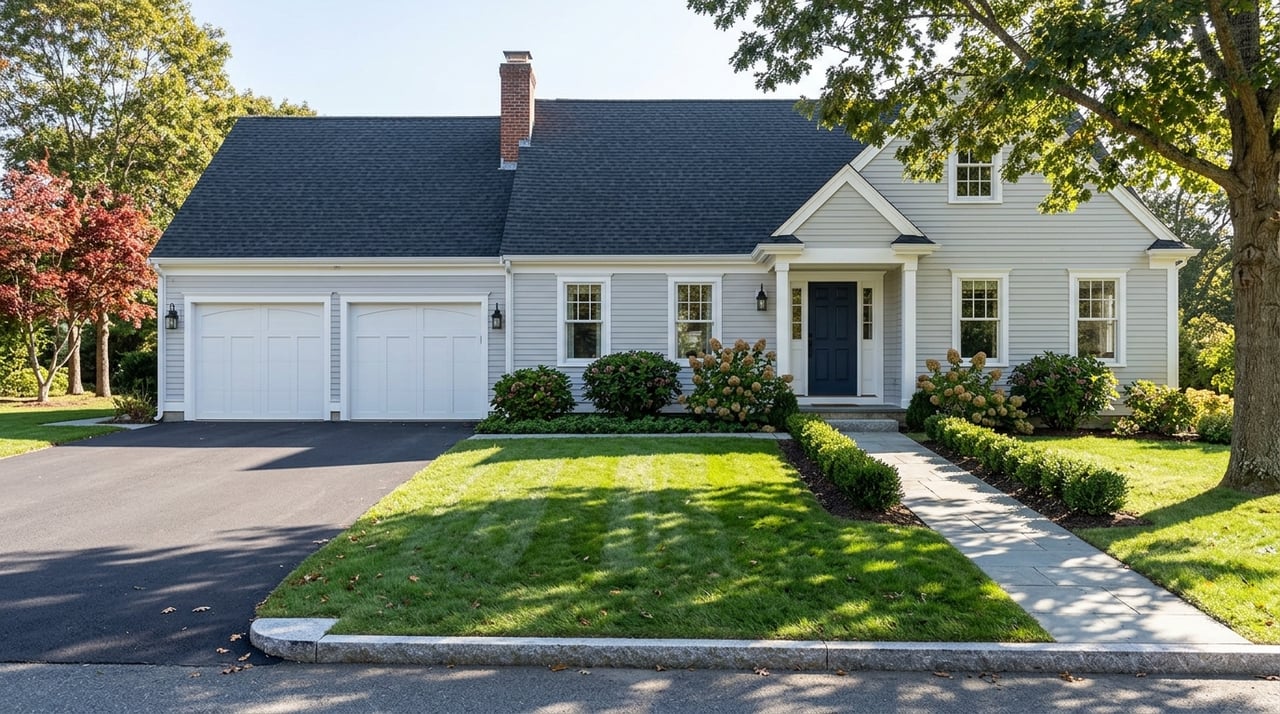
A big part of Norwell’s appeal is how clearly residential it feels. According to the town’s housing plan, 91% of homes are owner-occupied, 91.2% of housing units are detached single-family homes, and the average household size is 3.06.
Those numbers help explain the town’s overall character. If you are searching for a market dominated by ownership and traditional single-family housing, Norwell aligns strongly with that preference. The setting tends to feel low-density, home-focused, and consistent with what many buyers picture when they think about a suburban South Shore move.
What Buyers Should Know About Inventory Mix
There is some housing variety, but it is more limited than in denser suburbs. The housing plan cites 214 condominiums in FY24 assessor data and notes newer condo developments such as Hillcrest Circle and Bay Path Lane.
That means buyers may find alternatives to detached homes, but single-family housing remains the dominant product type. If your search includes downsizing, lower-maintenance ownership, or a step between city living and a larger suburban home, that limited condo inventory may still be worth watching closely.
Land Use Helps Preserve Character
Norwell’s residential identity is not accidental. The town’s zoning keeps most residential districts single-family, and the housing plan notes that accessory dwelling units are allowed as of right while cluster development and open-space requirements are used to preserve land.
In practical terms, that planning framework helps explain why the town feels spacious and established. For buyers, it can offer some reassurance that future growth is being considered alongside preservation rather than replacing the town’s low-density character outright.
Where Convenience Is Evolving
The same planning documents identify Assinippi and Queen Anne’s Plaza as targeted growth areas for mixed-use development. That is a helpful signal if you are trying to understand where convenience and added services may continue to evolve.
Elsewhere, the town center is described as being shaped by churches, town facilities, and historic homes, while small businesses are clustered near Routes 3 and 53 and in the Accord and Longwater office and business parks. That pattern supports a town that stays primarily residential while placing commerce in focused areas.
Open Space Adds Everyday Value
Open space is a major part of why Norwell feels different from more built-out suburbs. The housing plan says nearly 19% of the town’s land is permanently protected, including part of Wompatuck State Park and land held by conservation organizations and town departments.
That level of protected land matters because it shapes the experience of living there, not just the map. It helps preserve a sense of space, supports recreation, and reinforces the town’s lower-density setting for households that value room to breathe.
Recreation for Daily Life
For families and outdoor-minded buyers, local recreation is part of the appeal. Jacobs Pond includes a town-maintained cartop boat launch, fishing pier, shore fishing access, and trails in the conservation area.
Norwell is also investing in walkability. A MassDOT Shared Streets & Spaces project funded a half-mile of sidewalk that completes a three-mile pedestrian corridor linking Town Center, schools, athletic fields, and residential areas. For many households, those kinds of improvements make daily routines a bit easier and more connected.
Jobs and Day-to-Day Practicality
Norwell is not only a bedroom community. The housing plan identifies major employers including Clean Harbors, Vestis, EOS CCA, PartyLite Gifts, South Shore Hospital, Avedis Zildjian, Big Y, DIH Holding, and Norwell Knoll Nursing Home, with much of that employment concentrated along Longwater Drive.
That matters because many buyers want more than a place to sleep between commutes. A local employment base, nearby services, and established business areas can make a town more functional for day-to-day life, especially if your household includes hybrid work schedules or multiple commuting patterns.
Why Buyers Keep Norwell on the List
When you put the pieces together, Norwell’s appeal becomes pretty clear. You have a town about 20 miles from Boston with strong residential character, public school demand, nearby commuter options, meaningful protected open space, and a housing stock centered on owner-occupied single-family homes.
That does not make Norwell the right fit for everyone. If you want a highly urban, transit-heavy, or inventory-rich environment, another market may suit you better. But if you are looking for a South Shore town that supports commuting while offering space, structure, and long-term livability, Norwell is easy to understand and worth a serious look.
If you are weighing a move to Norwell or comparing it with other South Shore communities, Zachary Lombardi offers thoughtful, high-touch guidance tailored to your goals, whether you are relocating, upsizing, downsizing, or planning your next strategic move.
FAQs
Why does Norwell appeal to commuting professionals?
- Norwell offers access to Route 123, Routes 3 and 53, and nearby Greenbush Line commuter rail service in Scituate, making it a practical choice for buyers who rely on driving access and regional connectivity.
Why do families consider Norwell for a home search?
- The town’s planning documents cite public schools, open space, and residential character as key reasons for growth, and Norwell Public Schools serves PK-12 with public district report cards available through Massachusetts DESE.
What is the housing stock like in Norwell?
- Norwell’s housing stock is dominated by owner-occupied, detached single-family homes, with the town reporting 91% owner-occupied housing and 91.2% detached single-family units in its 2025 housing plan.
Are there condo options in Norwell?
- Yes, but they are limited compared with denser suburbs, with the town’s housing plan citing 214 condominiums in FY24 assessor data and noting newer developments such as Hillcrest Circle and Bay Path Lane.
Does Norwell have parks and outdoor recreation?
- Yes, Norwell has extensive protected open space, including part of Wompatuck State Park, and Jacobs Pond offers amenities such as a fishing pier, trails, and shore fishing access.
Is Norwell a walkable town?
- Norwell is still largely auto-dependent, but the town has invested in pedestrian infrastructure, including a sidewalk project that completes a three-mile corridor connecting Town Center, schools, athletic fields, and residential areas.