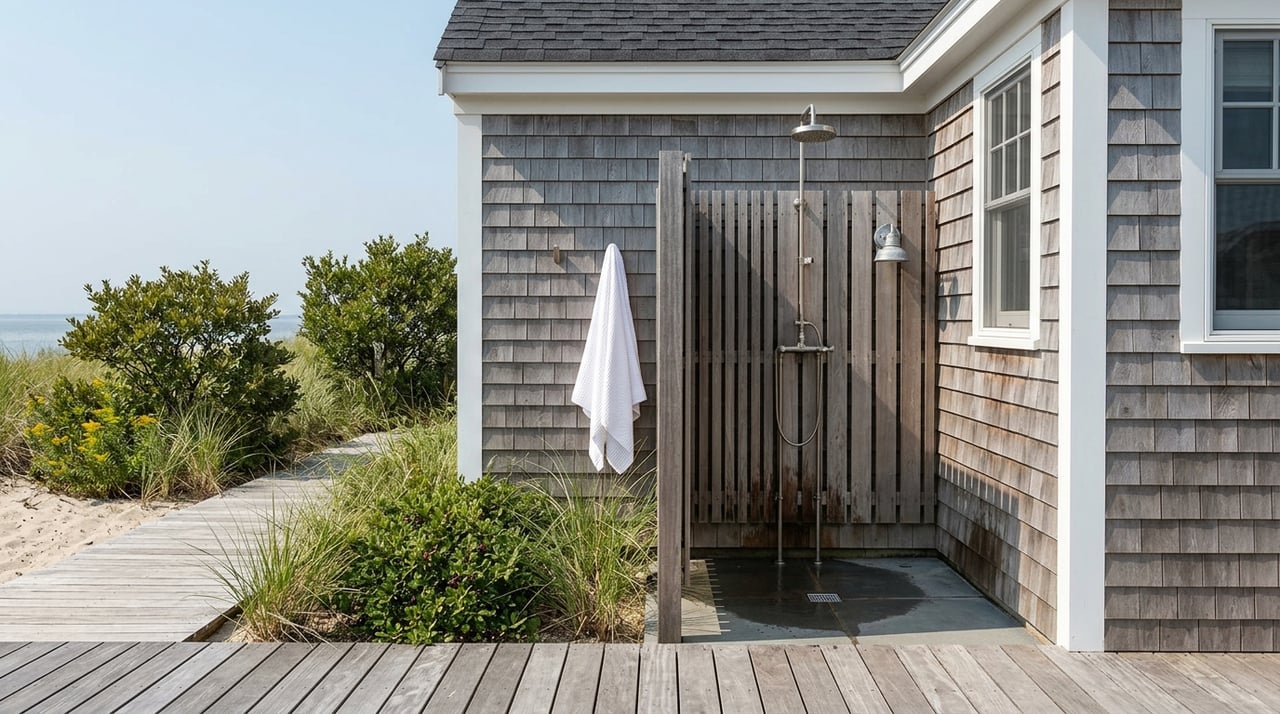
If you picture Scituate as just a summer beach town, you only see part of the story. This coastal community moves to the rhythm of beaches, harbor activity, village centers, and seasonal traditions, which gives you a lifestyle that can feel lively in July and grounded in January. If you are considering a move here, understanding that daily rhythm can help you decide which part of town fits you best. Let’s dive in.
Why Scituate Feels Distinct
Scituate sits between Boston and Plymouth and has grown from a summer colony into a residential coastal community that still holds onto its historic character. Town materials note about 18,000 year-round residents, with the population rising to roughly 30,000 in summer. That seasonal shift shapes everything from traffic and beach activity to the pace of local business areas.
What stands out is how much overlap there is between coastal living and everyday life. In Scituate, the harbor supports a working fishing fleet, recreational boating, tourism, and business activity all at once. Historic landmarks like Scituate Lighthouse, Lawson Tower, Stockbridge Mill, the Cudworth House, and the Old Oaken Bucket Homestead and Well add another layer to the town’s identity.
Scituate Is More Than One Beach Area
One of the easiest mistakes to make is treating Scituate like a single shoreline destination. In practice, it feels more like a collection of connected coastal places, each with its own pace and routine. The town’s materials regularly distinguish areas such as Scituate Harbor, North Scituate, Greenbush-Driftway, and Humarock.
That matters if you are thinking about where to live. Your day-to-day experience may look very different depending on whether you want walkability, rail access, trail connections, or a more tucked-away waterfront setting. In Scituate, location shapes lifestyle in a very real way.
Beaches Shape The Daily Rhythm
Scituate’s shoreline is anchored by five named public beaches: Minot, Sand Hills, Egypt, Peggotty, and Humarock. The town notes that Atlantic tides strongly affect the shoreline, lifeguard coverage is seasonal, and beach stickers are required. That gives beach access a more organized, year-round structure rather than a loose, drop-in feel.
For many residents, the beach is not just a weekend plan. It becomes part of the daily rhythm, whether that means early walks, evening views, or fitting errands and downtime around coastal access. Still, each beach offers a slightly different experience.
Peggotty Beach And Harbor Access
Peggotty Beach stands out for its close connection to downtown Scituate Harbor. The town notes that shops, restaurants, and a hotel are within walking distance, which gives this beach a more integrated, village-centered feel. If you like the idea of combining waterfront time with nearby dining and errands, this area has a strong everyday appeal.
Humarock’s Peninsula Feel
Humarock has a more separate and distinct setting. The town describes it as a waterfront community with sand beaches, marina facilities, and casual shops, restaurants, and services, connected to the mainland by two bridges. That geography gives it an edge-of-town feel that many people associate with a classic coastal retreat.
Minot, Egypt, And Sand Hills
Minot Beach is described by the town as a sandy beach with views of Minot Light and Massachusetts Bay. It carries more of the scenic, postcard side of Scituate’s shoreline. Egypt Beach and Sand Hills Beach are smaller in scale, with convenience stores within walking distance, which makes them feel more tied to nearby daily routines.
Harbor Life Is Central To Scituate
The harbor is one of the clearest expressions of what makes Scituate different. It is not only a scenic backdrop. It is also a working waterfront with commercial fishing, charter activity, the town pier, and a broader recreational boating presence.
Town materials also point to canoeing, kayaking, swimming, sport fishing, and birdwatching as common recreational uses tied to local waterways. That mix gives Scituate an active waterfront culture that supports both residents and visitors. If you are drawn to coastal living that feels connected to real day-to-day use of the water, the harbor is a major part of the appeal.
Village Areas Offer Different Lifestyles
The most useful way to understand Scituate may be to look at its main village areas one by one. While they are all part of the same town, they support different routines and priorities. That can be especially important if you are balancing commute needs, walkability, or a preference for a quieter waterfront setting.
Scituate Harbor
Scituate Harbor is the town’s most visibly mixed-use and walkable area. The town describes it as a seaside village and town center with shops, restaurants, waterfront activities, entertainment venues, artists, services, and civic amenities. It also includes residential units above Front Street stores and traditional neighborhoods around the center.
If you want energy, access, and a strong sense of place, the harbor is often the heart of the conversation. It tends to be the part of town where coastal living and everyday convenience intersect most directly.
North Scituate
North Scituate feels smaller and more local in scale. The town describes it as a traditional neighborhood center with a mix of shops, restaurants, pubs, services, and cultural amenities. It is also served by the MBTA Greenbush Commuter Rail with daily service to South Station.
For buyers thinking about a Boston connection, that rail access is a meaningful part of the lifestyle equation. It gives North Scituate a practical rhythm that blends local village living with regional access.
Greenbush-Driftway
Greenbush-Driftway has a different character again. The town describes it as a district that combines a historic hamlet with a newer development center, along with commuter rail service to South Station, local bus connections, and a multi-purpose path linking Greenbush to Scituate Harbor about three miles away.
This area also includes North River Conservation Park, a public fishing pier, picnic space, trails, a canoe launch, and Widow’s Walk Public Golf Course. If your ideal routine includes transit options and outdoor access beyond the beach, Greenbush-Driftway offers a broader mix of uses.
Humarock
Humarock is the most distinct waterfront enclave in town. The town describes it as a south-end area with beach access, marina facilities, and boating, fishing, paddle boarding, and kayaking on the South River. It also includes casual shops, restaurants, services, and a range of housing types.
That combination creates a setting that feels especially water-oriented. For some buyers, Humarock’s appeal is its separation from the rest of town and the way daily life can center on both the beach and the river.
A True Year-Round Coastal Community
A common question is whether Scituate is mainly seasonal or truly year-round. Based on the town’s own materials, the answer is both. Beaches and summer tourism are central to the local economy, but so are commuter rail access, village centers, civic life, and a substantial year-round population.
That balance is important if you are evaluating Scituate as a primary residence. You are not looking at a place that only comes alive in warm weather. Instead, you are looking at a town that changes by season while maintaining a steady residential base.
Local Events Help Define The Pace
Scituate’s calendar adds another layer to its daily and seasonal rhythm. Heritage Days is presented by the town as one of the South Shore’s largest summer outdoor events, with live music, entertainment, artisan crafts, children’s activities, and visits to historic sites. That kind of event reinforces how closely community life is tied to public spaces and the waterfront.
The harbor area also hosts recurring events like First Fridays, Classic Cars on Cole Parkway, Harbor Art Walk, Halloween in the Harbor, Holidays in the Harbor, and Restaurant Week. These events help keep the town center active beyond the peak beach months.
The St. Patrick’s Day Parade is another major tradition, running from Greenbush-Driftway to Scituate Harbor on the third Sunday in March. The town also notes related events including the Mad Hatter’s Ball, the Annual Mayor’s Race, and the St. Pat’s Plunge at Peggotty Beach. Together, these traditions show that Scituate’s identity is shaped as much by community gathering as by the shoreline itself.
What This Means For Buyers And Sellers
If you are buying in Scituate, it helps to think beyond the broad idea of coastal living. The better question is what kind of coastal routine fits your life. You may want harbor walkability, commuter rail access, beach proximity, trail connections, or a more distinct peninsula setting.
If you are selling, the same local nuance matters. Scituate is not one-note, and buyers often respond to the specific lifestyle story a home offers within its part of town. Positioning a property well means understanding how that micro-location shapes daily life, access, and overall appeal.
Scituate works best for people who want a coastal setting with structure, variety, and year-round function. It offers beaches and boating, but it also offers village centers, public events, commuter connections, and a working harbor that makes the town feel lived in rather than purely seasonal.
If you are considering a move to Scituate or preparing to sell there, working with an advisor who understands those local distinctions can make your next step more strategic. For private guidance on Scituate and the South Shore, connect with Zachary Lombardi.
FAQs
Is Scituate a year-round town or a summer beach town?
- Scituate functions as both. Town materials describe a year-round population of about 18,000, rising to roughly 30,000 in summer, which means it has a strong residential base along with an active seasonal influx.
Which Scituate beach is closest to shops and restaurants?
- Peggotty Beach is the most closely tied to town-center activity, with downtown Scituate Harbor and its shops and restaurants within walking distance.
Does Scituate have commuter rail access to Boston?
- Yes. North Scituate and Greenbush are both served by the MBTA Greenbush Commuter Rail with service to South Station.
What is Scituate Harbor like for daily life?
- Scituate Harbor is the town’s most walkable mixed-use area, with shops, restaurants, waterfront activity, services, civic amenities, and nearby residential neighborhoods.
What makes Humarock different from other parts of Scituate?
- Humarock has a more separate peninsula setting, with beach access, marina facilities, South River recreation, casual shops and restaurants, and access via two bridges.
Are all public beaches in Scituate similar?
- No. Town descriptions show clear differences, from harbor-adjacent Peggotty Beach to scenic Minot Beach and the more distinct waterfront setting in Humarock.